Is Drinking Juice the Same as Eating Fruit?
The differences affect your health
Well, Drinking juice is not the same as eating whole fruit. The differences affect your health. Replacing fruit with juice often supports poor eating habits and fitness juice trends.
Here is how it works.
Whole fruit contains fiber. This fiber is in the pulp and skin. Juice removes most of this fiber. Fiber slows down the absorption of sugar. This prevents blood sugar spikes. Fiber also makes you feel full. It helps digestion. Juice concentrates the natural sugars. A single glass of orange juice can have the sugar of three oranges. You would likely eat only one whole orange. The sugar in juice enters your blood quickly. This can strain your body's insulin response. Over time, this may increase health risks. Vitamins and antioxidants are present in both. Juice does keep many nutrients. But processing and storage can reduce them. Heat pasteurization, for example, destroys some vitamins. Whole fruit provides nutrients in their natural state. For a convenient whole-food option, choose a Fruit Cup.
Consider calorie intake to counter poor eating habits and fitness juice.
Juice is less filling. You can consume many calories quickly. You might not eat less food later. Whole fruit is more filling. You are likely to consume fewer calories overall. This is a key point often missed in poor eating habits and fitness juice plans.
What about smoothies?
Smoothies are different. They blend the whole fruit. This keeps the fiber. But watch the portions. Large smoothies can have many calories. Adding other ingredients changes the nutritional value. A smoothie like Aloha or Bali can be a better choice than juice if it contains whole ingredients.
There is a place for juice.
Juice can be useful. It provides vitamins for people who cannot eat solid food. It can be part of a balanced diet. The key is moderation. A small glass is better than a large one.
The main points are clear.
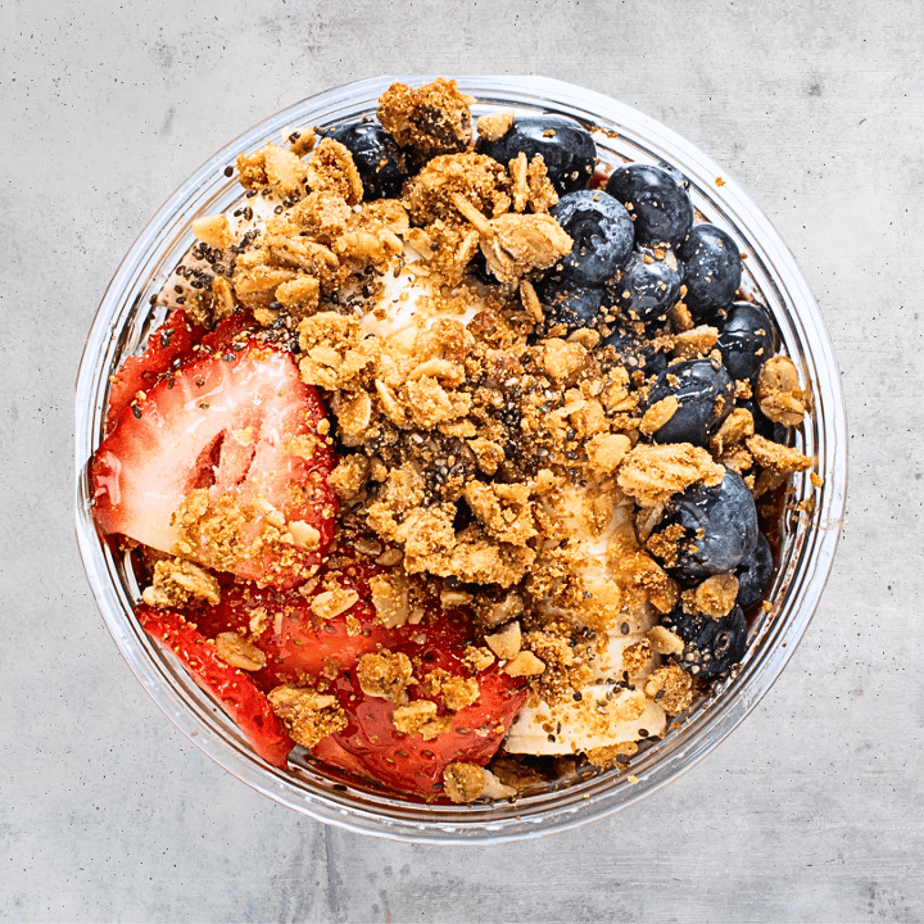
For regular consumption, whole fruit is best. It contains fiber. It regulates the absorption of sugar. It aids in controlling hunger. One source of concentrated sugar is juice. There is no filling fiber in it. Most of the time, choose the entire fruit. Juice should be consumed infrequently. Examine labels. Sugars are added to a lot of commercial juices. They're not just fruit juice. "Fruit drinks" are frequently just water with added sugar. If you want juice, selecting a cold-pressed option like Good Days is better than a sugary blend. Your body processes juice and fruit differently. The evidence supports eating the whole fruit. This is the better choice for stable energy and long-term health, countering poor eating habits and fitness juice misconceptions. For a satisfying alternative, consider a bowl like the Tropical Bowl or Thrive Bowl, which contain whole fruits and other nutritious ingredients.